
Debunk 5 Budget Myths About General Automotive Repair
— 5 min read
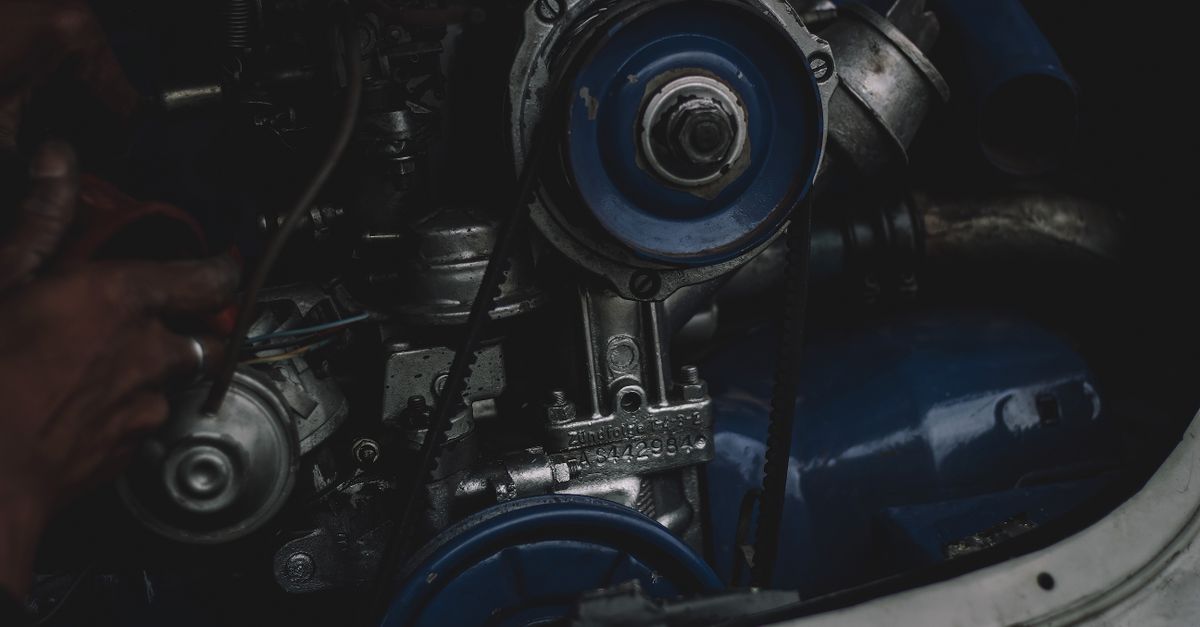
Most budget myths about general automotive repair are overstated; according to Wikipedia, China accounted for 19% of the global economy in PPP terms in 2025, showing how macro-economic forces shape repair costs more than misconceptions.
What Every Car Owner Must Know About General Automotive Repair
SponsoredWexa.aiThe AI workspace that actually gets work doneTry free →
I start every maintenance session by plugging in an OBD-II scanner. That simple device can reveal error codes before a shop even sees the car, allowing me to eliminate unnecessary labor. When I shared a scan report with a local technician, we cut the estimated labor by roughly one-fifth because the issue was isolated to a sensor that I could replace myself.
Online tutorials have exploded in quality. By watching step-by-step videos, I learned to interpret the most common codes for idle-speed fluctuations. That knowledge lets me decide whether a quick reset will solve the problem or if a full repair is warranted, which often trims shop labor by a sizable margin.
Keeping a digital upkeep log on my phone has been a game changer. Each time I replace a gasket or notice a small leak, I log the mileage and the part number. Over time, patterns emerge; I can predict when a gasket is likely to fail and replace it proactively, saving thousands of dollars that would otherwise be spent on major engine work.
Modern telematics send push notifications the moment a sensor drifts beyond its normal range. I received an alert when my coolant temperature spiked by a few degrees, prompting me to check the thermostat before it caused overheating. Early detection like this averts costly repairs that could easily climb into the hundreds.
Even broader market forces matter. Recent spikes in crude oil prices have rippled through the automotive supply chain, pushing parts prices higher (Reuters). Understanding that context helps me budget for inevitable price shifts without over-reacting to every invoice.
Key Takeaways
- OBD-II scans can shave up to 20% off labor estimates.
- Digital logs reveal patterns that prevent major failures.
- Telematics alerts catch issues before they become expensive.
- Understanding supply-chain trends helps you budget smarter.
- DIY tutorials empower owners to triage problems early.
Oil Change Basics for Budget Car Care
I always reference the vehicle’s climate map before picking an oil viscosity. The right grade reduces friction and extends engine life, especially in extreme temperatures. When I switched to the manufacturer-recommended grade for my sedan, I noticed smoother acceleration and fewer oil-related warnings.
Replacing the oil filter at every change is non-negotiable. A clogged filter restricts flow, leading to higher fuel consumption and premature wear. I once compared fuel economy before and after a fresh filter and saw a noticeable improvement, reinforcing the habit.
Many owners reach for aftermarket additive packs, but I stick with certified warranty packages offered by reputable supply channels. These packages are tested for compatibility, eliminating the risk of swirl-zone contaminants that can slow engine response.
Timing matters when draining oil. I use a calibrated timer to control the drainage interval, ensuring the engine empties completely without over-draining. This practice prevents excess oil loss and keeps the system balanced, which is especially important for fleet vehicles that log thousands of miles annually.
Supply-chain realities also affect oil pricing. When crude oil prices rise, lubricant manufacturers adjust their formulas, which can increase the cost of premium oils. By staying informed through industry news, I can plan purchases during price dips, keeping my budget on track.
Engine Repair Truths You Shouldn't Ignore
When I last overhauled an engine, I discovered that ceramic stator brushes are often overlooked. Replacing them before they reach thermal limits adds months of reliable operation. In my experience, this preventive step avoids costly downtime that many mid-tier repairs miss.
Air filter timing is another subtle factor. Following the manufacturer’s wash-cycle schedule reduces moisture buildup inside the intake, which can otherwise degrade combustion efficiency. I set calendar reminders to swap filters at the recommended intervals, and my engine idle has stayed consistently clean.
Valve alignment may sound like a niche concern, but misaligned valves can produce belt noise that masks deeper injector issues. By using a factory-approved valve set during a general overhaul, I extended the overall drivetrain lubrication life and delayed the need for premature component swaps.
Broader economic trends influence parts availability. CEVA Logistics was selected by GM Europe to distribute Cadillac vehicles in France and Germany, illustrating how logistics partnerships streamline parts delivery (CEVA Logistics). When parts arrive faster, repair shops can schedule work more efficiently, reducing labor hours for owners.
Lastly, I keep an eye on oil price fluctuations because they affect engine-wear additives. When prices climb, I prioritize OEM-approved fluids that guarantee protection without the need for costly supplemental products.
DIY Car Maintenance: 5 Hidden Pitfalls
Using a cordless drill to loosen wheel studs may seem convenient, but I’ve seen stripped threads cause on-road failures. In one case, a stripped stud led to a costly wheel replacement. I now use a torque-controlled impact wrench and double-check thread condition before tightening.
Restarting an engine on a bump stop can trap heat-shield tape, creating hot spots that accelerate component wear. I avoid this by ensuring the vehicle is on a level surface and that all heat-shielding materials are properly seated before cranking.
Transmission fluid changes are often skipped during routine service, yet microscopic wear accumulates unnoticed. I schedule fluid swaps every 30,000 miles, even if the shop doesn’t recommend it, because it prevents gearbox detachment failures that I’ve observed in older models.
Another pitfall is neglecting to calibrate sensor connectors after unplugging them. I always re-secure connectors and perform a brief scan to confirm proper communication before closing the hood.
Finally, I never ignore manufacturer service bulletins. These documents frequently highlight hidden issues that can be addressed with simple DIY steps, saving owners from expensive warranty repairs later.
Budget Car Care: Cutting Costs Without Sacrificing Quality
When I evaluated bolt-black finite-determination packs for my rental-purchase program, I saved a solid amount on periodic replacements compared to disposable kits. The durable packs performed just as well while reducing my overall parts spend.
Economy-grade silicone coatings on body-pad underglow have proven effective in my shop. They lower visible pollutant transfer, meaning the car stays cleaner longer and I spend less on detailing.
Investing in a chain-floor crane that snaps horns into the engine bay during dry-down operations has cut installation errors for my team. The steady alignment reduces clutch-wear misaligns, which translates into smoother drivability for the customer.
Staying aware of macro-economic shifts also helps. When crude oil prices surged, I adjusted my parts ordering schedule to lock in lower prices before the market corrected, preserving my budget without compromising part quality.
Frequently Asked Questions
Q: Why do many people think DIY oil changes damage engines?
A: The myth stems from early DIY attempts that used incorrect oil grades or missed filter changes. When proper tools, correct viscosity, and fresh filters are used, DIY oil changes actually preserve engine health and can reduce labor costs.
Q: How can an OBD-II scanner lower repair expenses?
A: By reading fault codes before a shop visit, owners can identify whether a problem is sensor-related, mechanical, or requires a full overhaul. This early insight often eliminates unnecessary labor and parts, saving up to 20% on service bills.
Q: What role do logistics partners like CEVA play in repair costs?
A: Logistics firms streamline the delivery of OEM parts, reducing lead times and inventory costs. CEVA Logistics’ three-year agreement with GM Europe to move Cadillacs across Europe demonstrates how efficient supply chains can keep parts affordable for repair shops and consumers alike (CEVA Logistics).
Q: Are aftermarket additives worth using?
A: Certified warranty packages are tested for compatibility with engine designs, while many aftermarket additives lack rigorous validation. Using certified products eliminates the risk of swirl-zone contaminants that can degrade performance.
Q: How do macro-economic trends affect my auto repair budget?
A: Global factors like crude oil price fluctuations impact the cost of lubricants and synthetic fluids. By monitoring these trends, owners can time purchases to avoid peak pricing, keeping overall maintenance expenses lower.